
Key Takeaways:
- Understanding the latest innovations in infrastructure and environmental services.
- Exploring how these services contribute to sustainable development.
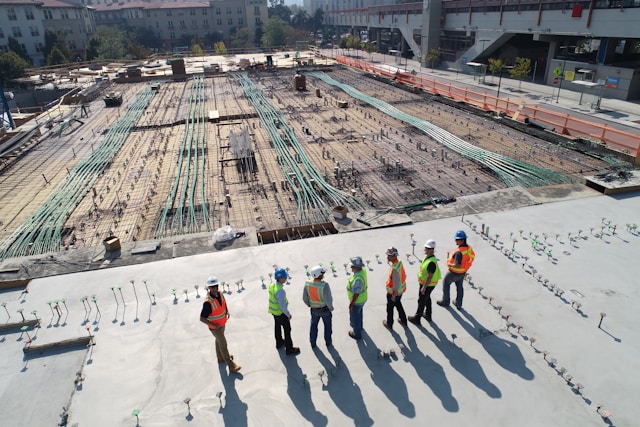
- Examining the role these services play in modern construction projects.
- Assessing the benefits of integrating advanced infrastructure into urban planning.
- Looking at the environmental impact and solutions in contemporary construction.
Introduction to Modern Infrastructure and Environmental Services
The construction world continuously evolves, adopting transformative techniques to face the growing needs of society. It’s propelled by an industry imperative to merge time-tested craftsmanship with contemporary visionary ideas, giving rise to developments that are as structurally sound as they are innovative.
Advancements in Construction Materials
A glimpse into construction services Boston MA, showcases a striking example: revered historical architecture seamlessly blends with modern aesthetics, illustrating what’s possible when tradition meets visionary infrastructural evolution. This harmonious blend speaks to the industry’s capacity to honor the past while boldly stepping into the future. Developing new construction materials is revolutionizing how we build, offering remarkable benefits in strength, durability, and environmental sustainability. Innovations such as self-healing concrete, which uses bacteria to self-repair cracks, lead to infrastructure that maintains its integrity over extended periods. Thermo-responsive materials and advancements in insulation are dramatically improving energy efficiency, contributing to eco-friendly buildings. New-age innovative materials can adapt to environmental changes, playing a pivotal role in developing living, breathing structures that work harmoniously with their surroundings.
Technology’s Influence on Infrastructure Development
Technology is a cornerstone for progress in infrastructure development in today’s environment. High-tech tools and software are shaping the future, strengthening the pillars of our cities and towns. Utilizing Building Information Modeling (BIM) accelerates professional collaboration, revolutionizing how project feasibility and constructibility are evaluated. These tech-driven approaches ensure developments are sustainable and can withstand the test of time, all while adhering to strict building codes and safety regulations. Such technology is essential in an industry-wide push towards constructing more innovative, safer, and more efficient spaces for both work and leisure.
Sustainable Practices in Environmental Services
The growing consciousness about our impact on the planet compels the construction industry to adapt. Sustainable development is key, reflected in practices that reduce the ecological footprint of new buildings. This is manifested in various ways, from leveraging locally sourced materials to adopting energy-efficient designs that harness natural light and ventilation. The principle of sustainability is evident in every segment of the construction process, from planning and design to material selection and construction methods. The strategic application of these principles speaks volumes about the industry’s responsibility towards creating a sustainable future.
Incorporating Renewable Energy in Construction
The shift towards renewable energy sources such as solar and wind power is redefining the energy landscape of the modern construction industry. These green solutions are integrated into projects to ensure long-term sustainability and energy independence. Integrating photovoltaic panels, wind turbines, and geothermal systems into construction designs mitigates the dependency on traditional energy grids and contributes to a cleaner environment. By embedding these technologies into the structural fabric of buildings, industry leaders are ensuring that the future of construction is bright and powered by renewable resources.
Importance of Environmental Assessment and Planning
Environmental considerations must be considered in architectural design and construction. Environmental assessments lay the groundwork for a responsible approach to construction, identifying key factors that can affect ecosystems and communities. These analyses are vital in avoiding unintended consequences and balancing development and environmental preservation. A robust ecological management plan can then be constructed, ensuring measures are in place to protect biodiversity, reduce pollution, and sustainably manage natural resources.
The Economic Impact of Enhanced Infrastructure
Infrastructure is the beating heart of any thriving economy, and enhancements in this domain have far-reaching implications. Better infrastructure attracts business investments and facilitates community growth, translating into job opportunities and an uplifted local economy. Efficient transit systems and high-quality utilities enhance the quality of life and help carve out modern urban landscapes that are resilient, accessible, and poised for economic success. Moreover, the push towards advanced infrastructure can catalyze broader regional development, making cities more competitive in the global marketplace.
Challenges and Solutions in Modern Construction
Despite the transformative changes and technological prowess of modern construction, the industry does face its fair share of challenges, including resource scarcity, changing compliance requirements, and the need for sustainable practices. Pioneering solutions such as the application of renewable resources, investment in R&D for more innovative materials, and embracing digital transformation tools are some ways these challenges are being addressed. This era of construction demands adaptability and foresight to navigate the complex demands of a rapidly changing world.
As the construction industry forges ahead with innovation and sustainability at its core, professionals, and enthusiasts must stay informed on current and future trends. Investigating scientific research and industry developments can yield powerful insights for those involved. One such resource is ScienceDaily, which regularly publishes peer-reviewed research shedding light on emerging technologies in infrastructure.
Comprehensive environmental planning and knowledge of changing regulations are also critical for modern construction projects. A reliable source for regulatory updates and ecological news is the Environmental Protection Agency (EPA). This essential resource details the latest governmental environmental initiatives, guiding sustainable practices in the construction sector.